10 Essential Survival Medicine Tips Every Outdoor Enthusiast Should Know
Exploring the great outdoors is an exhilarating experience, full of adventures and the beauty of nature. However, it can also pose some serious health risks if one is not adequately prepared. Whether you are planning your next mountain hike or setting up a camping trip, recognizing and understanding basic survival medicine tips is paramount to ensuring a safe and enjoyable experience. Here are 10 essential survival medicine tips every outdoor enthusiast should know.
1. Understanding Basic First Aid
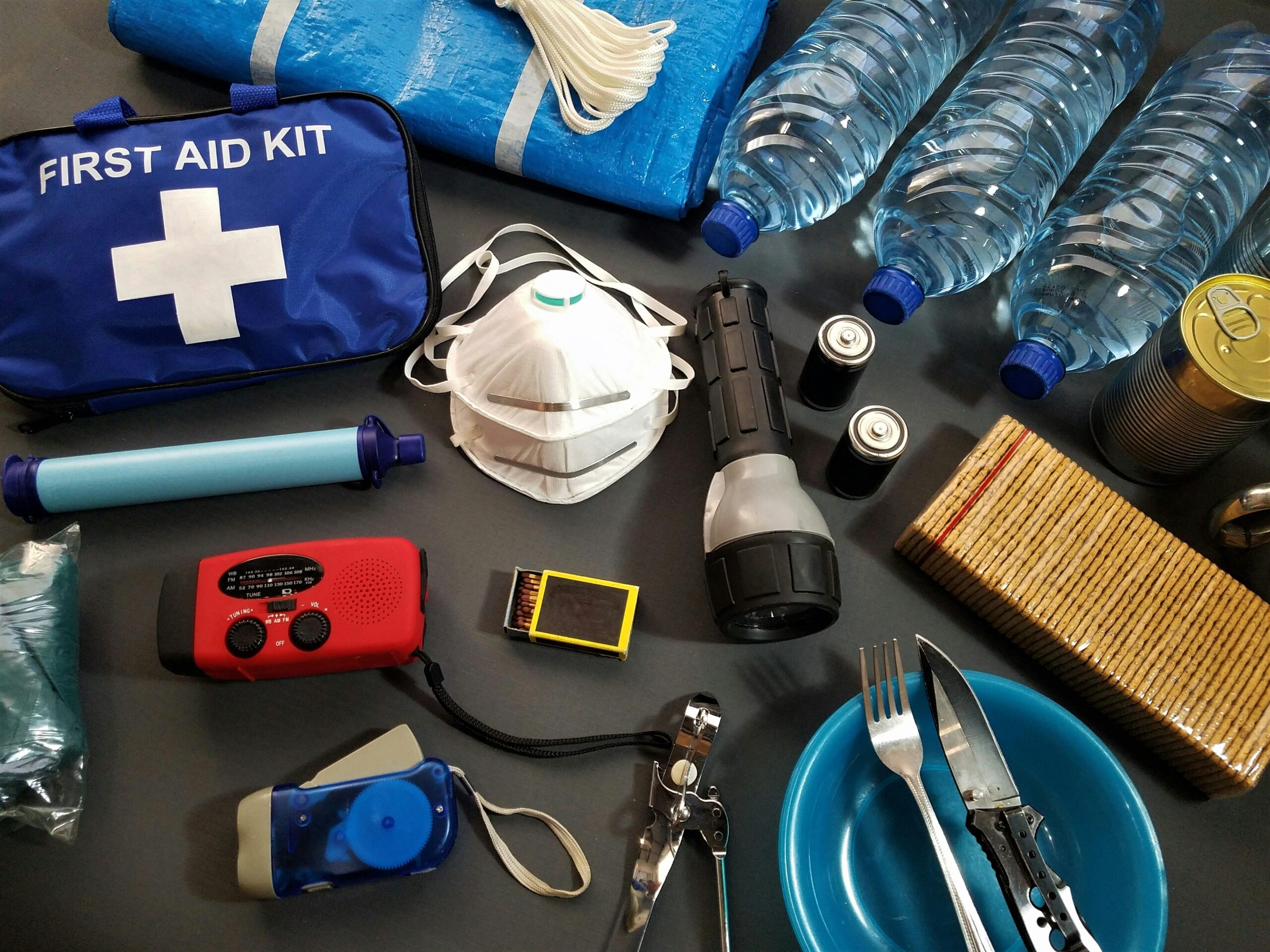
Before you even pack your bag, a fundamental understanding of first aid is crucial. This includes knowing how to treat cuts, burns, and sprains. Pack a well-equipped first aid kit and educate yourself on how to use each item. A key component of any outdoor journey should be the ability to address minor injuries to prevent them from becoming severe.
2. Prevention and Treatment of Hypothermia and Heatstroke
Temperature-related illnesses are a real risk in the outdoors. Hypothermia can occur in cold conditions when the body loses heat faster than it can produce it, leading to dangerously low body temperature. Keep dry, wear layers, and understand how to create emergency insulation using the environment.
On the flip side, heatstroke can occur when the body overheats due to high temperatures or excessive physical exertion. Recognize the signs which include headache, dizziness, muscle weakness, and nausea, and know how to respond by finding shade, cooling the body, and staying hydrated.
3. Identification and Response to Allergic Reactions
Allergic reactions in the wilderness can stem from insect bites, plant contact, or food. Recognizing an allergic reaction and knowing how to treat it, particularly severe reactions like anaphylaxis, could save a life. Carrying essentials like antihistamines and, if prescribed, an epinephrine injector, is a proactive step.
4. Effective Insect and Animal Bite Management
Insect bites and animal bites not only cause immediate pain but can also lead to infections and other severe complications. Know how to properly clean and dress a wound, and understand when a bite or scratch requires professional medical attention. Knowledge about local wildlife can be incredibly beneficial in preventing bites or knowing what kinds of animals could pose a risk.
5. Handling Sprains and Fractures
Twisted ankles or a fall leading to a fracture are commonplace in rocky or uneven terrains. Knowing how to properly immobilize a limb and alleviate pain can make a major difference in mobility and pain management until professional help can be reached. Learning how to use makeshift splints or wraps is an invaluable skill.
6. Safe Water Practices
Safe drinking water is crucial but not always available in nature. Understanding the importance of hydration and knowing how to safely procure and purify water is a key survival medicine tip. Techniques include boiling water, using water filtration devices, or chemical treatments.
7. Addressing Gastrointestinal Issues
Gastrointestinal issues are common when outdoors, due to either contaminated water or food, or even the natural stress of outdoor activity. Be prepared with knowledge on how to treat symptoms such as nausea, vomiting, or diarrhea and carry over-the-counter medications to support digestive health.
8. Navigation to Avoid and Respond to Emergencies
Getting lost without any navigation tools or plans can lead to a minor outing turning into a rescue mission. Understanding basic map reading skills and using a compass, and carrying a GPS device or a mobile phone with GPS capabilities can help keep your trip safe. Always make a plan and share it with someone before you embark.
9. Sun Protection
Long exposure to the sun can lead to severe sunburns, dehydration, and heat exhaustion. Incorporating sun protection into your plan is vital. Wear appropriate clothing, use sunscreen liberally, wear a hat, and use sunglasses to protect your eyes.
10. Mental Health and Stress Management
The stress of dealing with an unexpected situation during an outdoor adventure can impact your mental health. Staying calm and positive in these situations can dramatically improve your chance of successfully navigating them. Simple techniques such as deep breathing exercises, staying organized, and prioritizing tasks can help manage stress effectively.
Conclusion
Venturing into the wilderness can be an exciting but risky adventure. By equipping yourself with these 10 essential survival medicine tips, every outdoor enthusiast can ensure they are prepared to handle common health emergencies and enjoy their adventures safely. Remember, the key to a successful outdoor trip lies not just in the beauty and thrill of the experience, but in thorough preparation and knowledge. Stay safe and explore responsibly!