First Aid in Survival Situations: Essential Tips to Keep You Safe
When faced with a survival situation, whether in the wilderness or after a natural disaster, knowing essential first aid techniques could make a critical difference. Here’s a comprehensive guide packed with actionable tips to ensure you are prepared for any emergencies that might come your way.
Understanding the Basics of First Aid
Before diving into specific survival scenarios, it’s crucial to grasp some first aid fundamentals. First aid refers to the immediate care you provide to someone with an illness or injury before professional help arrives. In survival conditions, where help might be delayed, your knowledge and actions can save lives.
Key Components of First Aid
- Assessing the situation: Safety first—ensure the area is safe for you and the injured person.
- Calling for Help: Determine if you need additional aid and make the call immediately if possible.
- Providing care: Perform necessary interventions, from stopping bleeding to CPR, based on the victim’s needs.
First Aid Kit Essentials
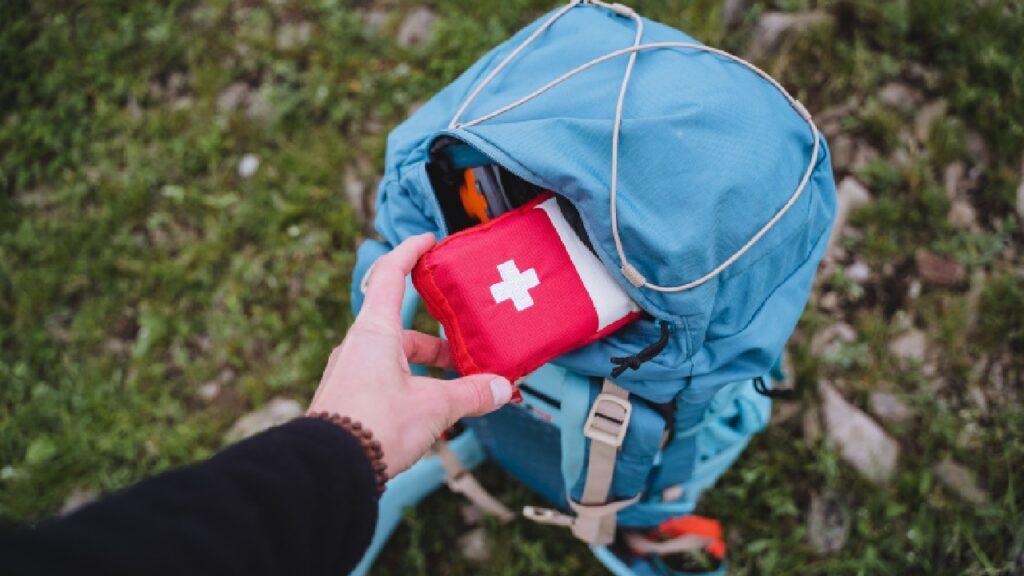
Having a well-stocked first aid kit is pivotal. Customize yours to fit potential challenges you might encounter, but ensure it includes:
Must-Have Items in Your First Aid Kit
- Bandages and gauze of various sizes
- Antiseptic wipes and creams
- CPR mouth barrier
- Sterile gloves
- Scissors and tweezers
- Pain relief medications
- Allergy and anti-inflammatory medications
- Thermal blanket
Tip: Regularly check and replenish your first aid kit. Items like medications and sterile materials can expire or deteriorate over time.
Dealing with Common Injuries
In survival situations, you’re often exposed to rough environments that increase the risk of injuries. Here are some common injuries you might face and how to treat them:
1. Cuts and Abrasions
Clean the wound with clean water and antiseptic wipes. Apply gentle pressure with a clean cloth or sterile gauze to stop the bleeding, then cover the area with a bandage.
2. Fractures and Sprains
Immobilize the injured limb. Use splints made from branches or stiff materials, but ensure not to tighten so much that circulation is cut off. Elevate and apply cold packs to reduce swelling.
3. Burns
First, ensure the source of the burn is removed. Cool the burned area under running water, then cover it with sterile, non-adhesive bandages. Avoid applying ice directly, as it can cause further tissue damage.
Handling Life-Threatening Emergencies
Certain situations require immediate action to save lives. Below are tips for handling severe emergencies:
Cardiopulmonary Resuscitation (CPR)
If someone is unresponsive and not breathing, performing CPR could be lifesaving. Place the heel of your hand on the center of the person’s chest, interlock your fingers, and press down firmly and quickly. Aim for 100 to 120 compressions per minute. If trained, administer rescue breaths after every 30 compressions.
Severe Bleeding
Apply direct pressure to the wound with a clean cloth or gauze pad. If the bleeding does not stop, you may need to apply a tourniquet above the injury site or use a hemostatic agent if available in your first aid kit.
Prevention: The Best Form of First Aid
While knowing how to respond to medical issues is crucial, preventing them is equally important. Here are a few preventative measures:
- Stay informed about the weather and terrain of the area you are exploring.
- Ensure you’re physically and mentally prepared for the challenges you might face.
- Always communicate your whereabouts and plans with someone not on the trip.
- Equip yourself with appropriate gear and clothing.
Final Thoughts
Adequate preparation and knowledge of first aid procedures can significantly impact survival outcomes. By packing an appropriate first aid kit, familiarizing yourself with common treatments, and focusing on prevention, you’re setting up for safety and success in any unforeseen events. Empower yourself with these skills to confidently handle emergency situations and keep yourself and others safe.
Remember, first aid is everyone’s responsibility. Being prepared could make all the difference when it counts the most.